Purchasing an under-construction property is a popular preference for most new homebuyers and investors, especially in emerging cities. Ready homes Ready properties are frequently cheaper than ready-to-move houses and offer flexible payment terms. Most buyers are drawn by the lure of modern design, new amenities and a potential appreciation by the time the project is finished. But there are some risks in buying under-construction properties that buyers should be aware of. Problems like delays, legal issues and a change of plans for the projects you are working on can disrupt both your budget and peace of mind.
What is an under construction property explained
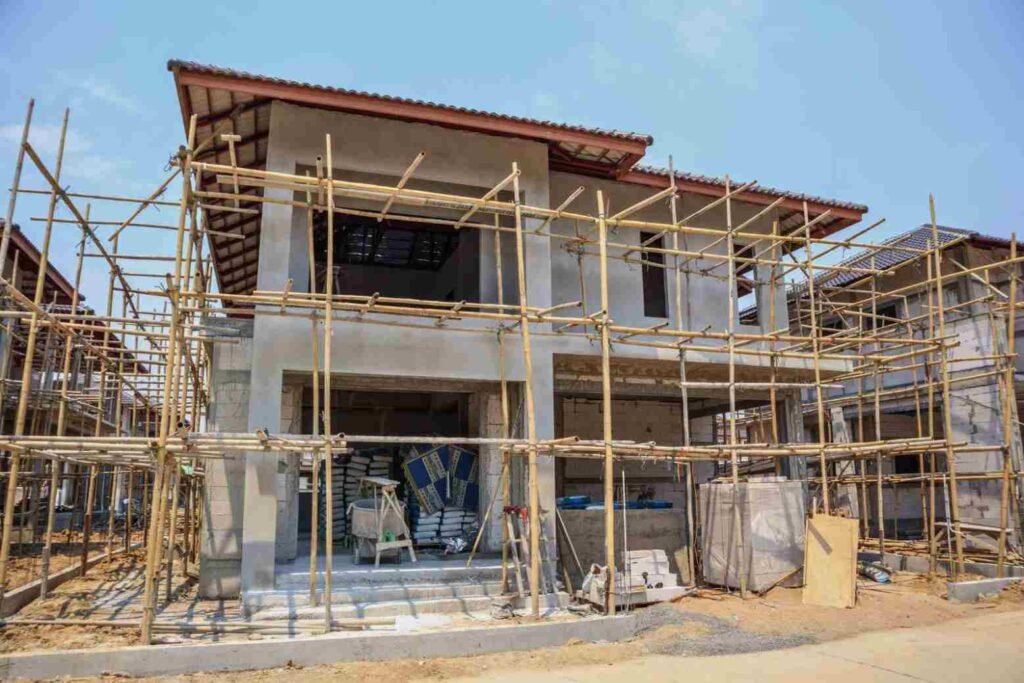
Under construction property is a project which has not yet completed and has not been granted final completion or occupancy certificate. It is usually completed plans, sample flats and the word of a developer on which buyers are making a purchase, rather than an actual structure.
These product are often marketed at a more advanced stage of construction, in cheaper price bracket. Payments are typically tied to construction milestones, which spreads the financial outlay over time. And while this can work to buyers’ advantage, it also forces homebuyers to trust that the developer will finish the project as planned.
Benefits And Advantages Of Buying Under Construction
One of the major advantages of under-construction properties is their lower cost. Prices are typically lower than for ready properties in that location. This allows buyers to move up into better locations, or into larger homes at the same price point. Another benefit is potential appreciation. Once development is complete, property value usually rises by the time possession day comes. Buyers can also have more of a selection in floor plans, views and unit choice earlier at new properties.
Common rewards include:
- Lower initial purchase price
- Flexible payment schedules
- Higher appreciation potential over time
For potential long-term buyers, the benefits can make so-called under-construction properties look attractive.
Buyer Risks In Financing And Investment
Financial risk is a massive consideration despite the potential pay-offs. Slow projects are numerous and will cost you your possession for months, or even years. This can be an issue for the buyers who are also paying rent and home loan EMIs at the same time. Plus, you never know if costs will rise. The final price may also increase due to changes in taxes, construction cost or specifications. In some cases, developers might change configurations or cut promised amenities.
Legal And Regulatory Risks In Under Development Projects
Legal risk is another very important consideration. But if the project is not approved or does not have a clear land title, purchasers could face serious problems later. Poor records could result in construction grinding to a halt or legal battles. Parties Good / Seller shall ensure that the Project is complete in all respects and necessary is possessing the required permissions from local authority, by laws, completions certificates etc. It is necessary to verify the title, approvals and project registration details before entering into any agreement.
Importance Of Developer Reputation And Track Record
There are big stakes in credibility of the developer on an under-construction property. History in delivering and successful building significantly decreases risk. Potential buyers have to review the developer’s previous work, if they delivered on time and feedback so far from customers.” Traveling to view finished projects can be insightful as to how well such homes are built and maintained.
Before You Book An Under Construction Property Here Are Key Precautions
Ensuring that such problems don’t arise is up to buyers of the services, many of whom do so online rather than in an office or agency. Buyers should scrutinize agreements and they should not just trust oral promises.
Some important precautions include:
- Verifying project approvals and registrations
- Verifying possession timelines and penalty clauses
- Understanding payment schedules clearly
It is a good idea to have a lawyer look over the agreement with you before you sign it. The right precautions enable buyers to make safer choices.
Dealing With The Delays And Realistic Expectations
Time delays are among the biggest pain points of purchasing an under-construction property. Purchasers should be prepared for potential extensions without limit after the agreed upon date of possession.
Include buffer time in planning your finances to reduce stress. Buyers should steer clear of excess-fund commitments that could be required on demand. Knowing that a construction schedule can change helps to keep it all in perspective.
Conclusion
There are opportunities, as well as challenges, when you purchase an under-construction property. We hope for good margins, easy EMIs and appreciation on such properties but the risks of delays, litigation and cost overshooting can’t be wished away. It involves careful project selection, credibility of developers, legal verification and financial planning. Buyers who do their homework and keep a realistic timetable can profit from under-construction properties over time. It’s all about making educated choices, which is how potential threats turn into payoffs.
FAQs
Q1. Are Under-Construction Properties Cheaper Than Ready to Move Homes?
Yes they are almost always cheaper, particularly in earlier-stage development.
Q2. What Is The Single Greatest Risk In Purchasing An Under Construction Property?
Delayed projects are the biggest threat.
Q3. How Should Buyers Minimize Legal Risks?
By checking for approvals, titles and consulting a lawyer before you buy.
Q4. Is It A Good Idea To Invest In Under-Construction Property For Rental Income?
Rental income kicks in upon possession, so buyers will need to time their planning accordingly.
Q5. Under-construction or Ready Property, What should first-time buyers opt for?
For first-time buyers, the decision should depend on risk tolerance, budget and how quickly you need to be in a home.