A new internet is taking shape beyond the web. Everything from virtual worlds, through immersive spaces down to metaverse environments are going to be increasingly dynamic and persistent. The longer this world continues to influence people, the more important a question that becomes – who owns these digital assets within virtual worlds.
1. What Is Digital Ownership
Ownership in the digital realm refers to recognized rights to virtual goods. Unlike traditional digital that is just being copied around, the modern systems are meant to offer a unique and verifiable ownership, say based on blockchain.
Possession equals control, mobility and proof of genuineness.
2. Why Virtual World Ownership Matters
In virtual worlds, users invest in time and often money for building identity, assets and experiences. Without ownership, platforms can take away or tamper with digital assets at any time without the consent of their users.
Verified ownership builds trust and value over time.
3. Role of Blockchain Technology
Digital ownership is becoming increasingly well-recognized in the world of blockchain tech. It makes decentralized ledgers that confirm who owns what. That lessens reliance on centralized platforms, and promotes transparency.
Decentralized systems enhance control.
4. Emergence of NFTs & Tokenized Assets
NFTs are unique digital tokens kept in blockchain systems. They enable people to buy, sell and trade digital art, collectibles and virtual property.
“What NFTs did was make digital space scarce.
5. VIRTUAL REAL ESTATE AND DIGITAL ECONOMIES
Digital economies are even being created in virtual worlds, where users can buy virtual land and create experiences. These spaces can house:
- events
- stores
- communities
Property leads to new economy models in virtual worlds.
Digital property is emerging as an economic asset.
6. Benefits of Secure Digital Ownership
The systems with secure ownership has several merits:
- Verifiable authenticity of assets
- Transferability across platforms
- Protection from unauthorized duplication
- Creation of digital marketplaces
- Empowerment of creators
The benefits are nurtured by thriving virtual economies.
7. Challenges and Risks
For all its potential, digital ownership has challenges:
- Regulatory uncertainty
- Platform compatibility issues
- Environmental concerns related to blockchain
- Risk of scams and fraud
- Market volatility
There should be clear standards and guidelines.
8. Interoperability Between Virtual Platforms
For digital ownership to live up to its full potential, assets will have to move across platforms. And interoperability means you can bring digital collectibles from one place to the next.
This flexibility strengthens long-term value.
9. Legal and Governance Considerations
And as virtual economies grow, legalities have to catch up. Questions about:
- intellectual property
- taxation
- consumer protection
are growing in significance.
The structure of governance will determine how rights are enforced.
10. The Future of Virtual Ownership
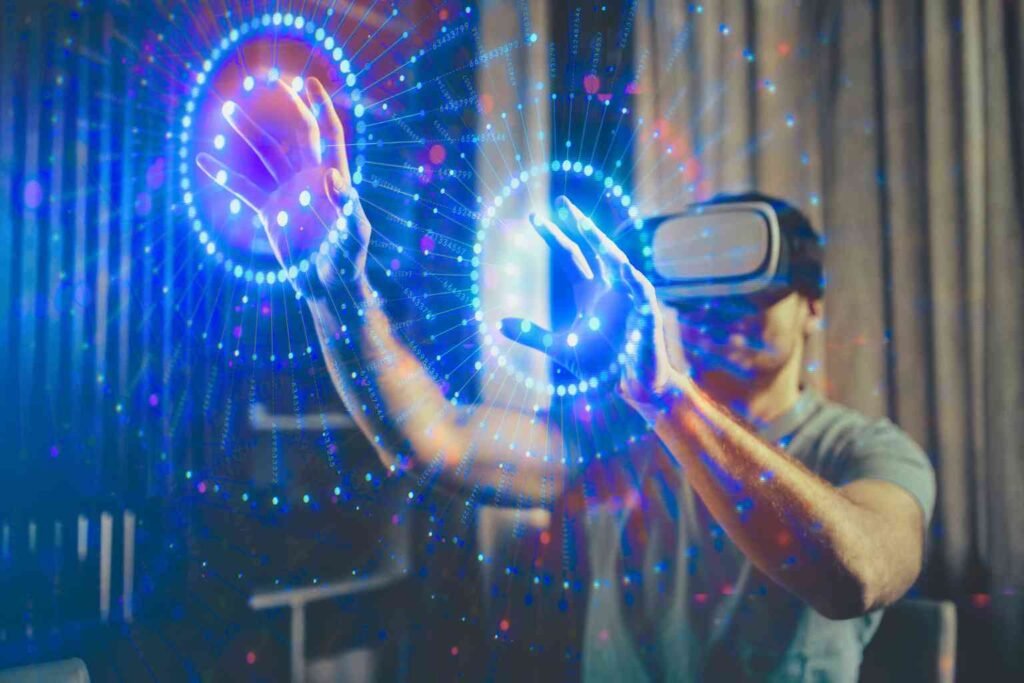
Tomorrow’s digital ownership might involve more sophisticated decentralised systems, secure identity verification and cross platform asset compatibility. Virtual realty will be the new frontier As VR/AR become more pervasive, ownership formats will dictate how we buy and sell things in a virtual world If you think about it, Facebook has already cornered us based solely on this single piece of information.
The term value in online places is updated though, as digital ownership re-defines the old-school concept. The importance of what people own digitally will be, at least in one dimension, value just as physical property matters in the real world.
Key Takeaways
- Verification of digital ownership Verified control over virtual assets is an advantage that blockchain brings
- Blockchain technology supports decentralized verification
- NFTs and virtual real estate are building digital economies
- Interoperability and policies can still limit the technology
- The future of virtual worlds is going to be a battle over ownership systems
FAQs:
Q1. What does digital ownership look like in virtual environments?
It is about owning provenance over digital assets such as avatars or virtual land.
Q2. Why does blockchain power digital ownership?
It offers decentralized and transparent proof of asset ownership.
Q3. Do we need NFTs to establish digital ownership?
They certainly are one way, but there may be other technologies which allow ownership too.
Q4. Can digital assets be valuable in an economic sense?
Sure, you can buy and sell and trade virtual items in digital marketplaces.
Q5. What challenges affect digital ownership?
Regulation Security risk Platform Compatibility.