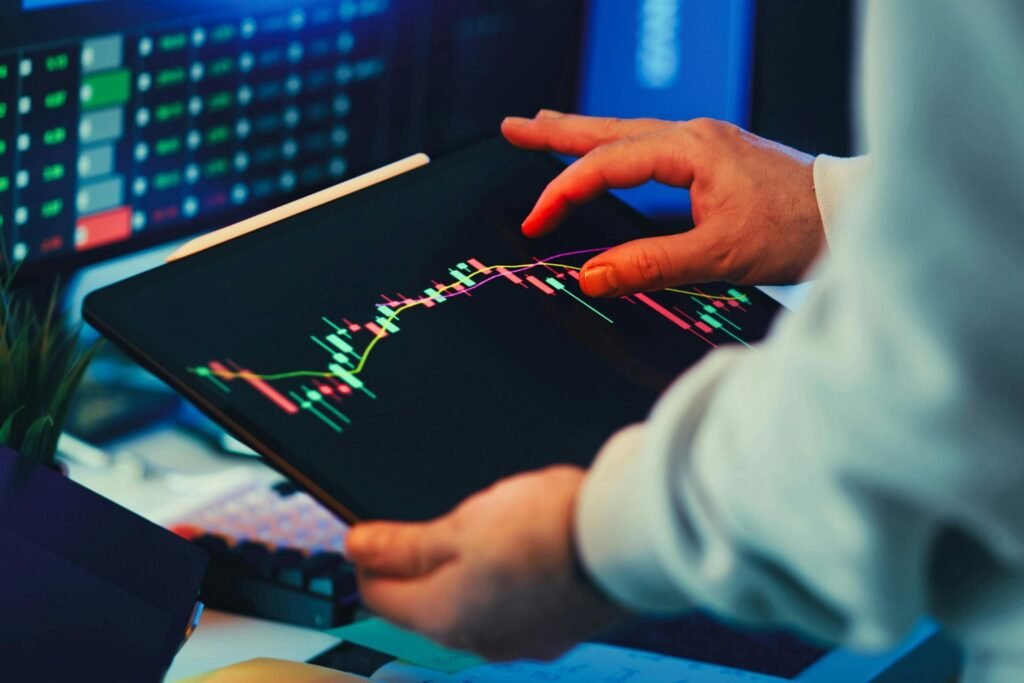
If you ask any active stock market trader in India how they start their mornings, they will tell you that the real market narrative begins way before 9:15 AM. Long before the domestic bell rings at Dalal Street, institutional desks and individual investors are already analyzing early signals to guess where the market might head.
Keeping an eye on gift nifty today gives market participants a reliable early look at how sentiment is shaping up across global trade desks. This offshore derivative contract, which replaced the old SGX Nifty back in July 2023, trades out of Gujarat’s GIFT City under the IFSCA framework. Because it trades in US dollars for roughly 21 hours a day, it absorbs almost everything that happens worldwide while domestic exchanges sleep.
Whether it is a late-night rate decision from the US Federal Reserve, wild swings in global crude oil, or sudden movements in Asian indices, these developments get priced into the futures contract well ahead of time. So, why does this early pulse matter so much to banking investors? The answer lies in the heavy weight financial stocks carry in Indian equity indices. Banks are effectively the backbone of the domestic market, making them highly sensitive to foreign institutional capital flows.
When international cues look bullish, foreign portfolio managers often build exposure through top-tier financial lenders. A positive gap-up signal in morning futures typically triggers institutional buying orders right at the 9:00 AM pre-open window, lifting the bank nifty index higher right from the opening bell.
Why Banking Stocks React First to Offshore Cues
Financial stocks serve as the main gauge for India’s macroeconomic momentum. When global macroeconomic conditions shift overnight, bank shares react almost instantly. Foreign portfolio investors treat major commercial banks as their preferred choice for increasing or trimming Indian market exposure because these counters offer deep liquidity and easy execution. Consequently, any sudden movement in early morning futures spills straight into banking stocks before affecting other sectors.
Key Macro Factors Linking Early Signals to Bank Expectations
- US Fed Policies and Global Yields: Shifts in US bond yields alter global risk appetite. Rising yields often drive capital back toward dollar assets, pressuring emerging market financial stocks during early trades.
- USD-INR Currency Swings: Currency volatility impacts foreign capital flows. A weaker rupee raises costs for foreign buyers, influencing early morning institutional buy and sell orders in banking heavyweights.
- Crude Oil Prices: Higher international oil prices elevate domestic inflation concerns, directly affecting expectations regarding the Reserve Bank of India’s interest rate trajectory and commercial bank lending margins.
Directional Compass, Not an Absolute Guarantee
It is crucial to understand that early morning futures offer a directional compass rather than an exact opening price guarantee. While early trades highlight global risk sentiment, local micro-factors take center stage once domestic trading starts at 9:15 AM.
Quarterly earnings reports, RBI policy tweaks, credit growth data, and non-performing asset trends can cause banking stocks to move independently of global cues. For example, an outstanding quarterly performance from a major bank can drive strong domestic buying regardless of weak offshore sentiment.
Conclusion
By reviewing the early offshore futures, traders can get enough pre-market information to control the volatility at the trade start and to work out their risk strategies well. Together with domestic economic fundamentals, these early indicators provide a well-rounded and solid basis for market expectations in the morning.